Hakusanaasi vastaavia tuloksia ei löytynyt.
Sisällöt

Uloskirjautumisesi onnistui.


Etkö ole vielä rekisteröitynyt?
Kroonisten haavojen haasteet
Kehittyneissä maissa on arvioitu, että 1–2 % väestöstä saa kroonisen haavan elämänsä aikana.1 Haavainfektiot ovat yksi yleisimmistä komplikaatioista, jotka liittyvät huonosti paraneviin haavoihin2, ja ne ovat haaste potilaille, terveydenhuollon ammattilaisille ja -laitoksille.

Krooniset haavat voivat heikentää paranemisprosessia merkittävästi ja huonontaa terveyteen liittyvää elämänlaatua.3 Infektoituneesta haavasta kärsivät potilaat voivat kokea mm. epämukavuutta, johon liittyy oireita kuten kipua, epämiellyttävää hajua, märkivää eritettä ja immobilisaatiota.4 Haasteet, jotka voivat syvästi vaikuttaa sekä potilaisiin että heidän perheisiinsä.5
Infektoituneiden haavojen hoito vaatii moniammatillista tiimiä ja kokonaisvaltaista lähestymistapaa, johon kuuluu kattava haavojen arviointi ja potilaan kokonaisvaltainen hoito.6 Siksi on olennaista tunnistaa tehokkaimmat menetelmät niiden ehkäisemiseksi, diagnosoimiseksi ja asianmukaiseksi hoitamiseksi.
0 - 2 %
väestöstä saa kroonisen haavan elämänsä aikana.7
Yli
0%
kroonista haavoista arvioidaan olevan infektoituneita.8
Haavainfektiojatkumo tarkastelee haavainfektion eri vaiheita, jotka etenevät kontaminaatiosta aina mahdolliseen sepsikseen asti.9,10 Tämä käsite, jonka on esittänyt International Wound Infection Institute (IWII), on suunniteltu tukemaan terveydenhuollon ammattilaisia oikeiden strategioiden tunnistamisessa infektoituneiden haavojen ehkäisemiseksi ja hoitamiseksi.

*Prontosanin ja Askinan käyttö ei korvaa systeemisen tai muun infektiohoidon tarvetta. Muokattu lähteestä International Wound Infection Institute (IWII) Therapeutic wound and skin cleansing: Kliininen näyttö ja suositukset. Wounds International. 2025.
Lataa kuva tästä.
LataaEdistynyt lähestymistapa
Hoitokonseptimme kattaa kaikki haavainfektion hoidon vaiheet. Prontosan® -haavahuuhde haavan terapeuttiseen puhdistukseen biofilmin muodostumisen ennaltaehkäisemiseksi hoidon alusta loppuun. Prontosan® Wound Gel ja Wound Gel X auttavat ennaltaehkäisemään infektioita muodostamalla antimikrobisen esteen.
Askina® Calgitrol® -hopeasidokset on suunniteltu hoitamaan infektoituneita haavoja ja vähentämään infektion kliinisiä merkkejä11 samalla kun ne tarjoavat laajan antimikrobisen tehon.12 Tutkimukset osoittavat, että biofilmiä poistavan huuhteen käyttö yhdessä antimikrobisen tuotteen kanssa on tehokkaampaa infektion hallintaa kuin pelkän antimikrobisen tuotteen käyttö.13
Olemme sitoutuneet tukemaan terveydenhuollon ammattilaisia tehokkailla ja hyvin siedetyillä tuotteilla, jotka vähentävät infektioriskiä ja antimikrobista resistenssiä ja luovat ihanteellisen ympäristön haavan paranemiselle – mikä johtaa parempiin tuloksiin ja tehokkaampaan hoitoon.
Prontosan® vähentää merkittävästi infektioriskiä ajan kuluessa14-16 ja on parempi kuin keittosuolaliuoksen teho.17 Yhdistämällä haavanhoitoon Prontosan Wound Gel / Gel X -haavageelit, voidaan muodostaa antimikrobinen este.18,19
Ratkaisu, joka auttaa puhdistamaan, poistamaan kuolleen kudoksen ja ennaltaehkäisemään infektioita.
Lue lisää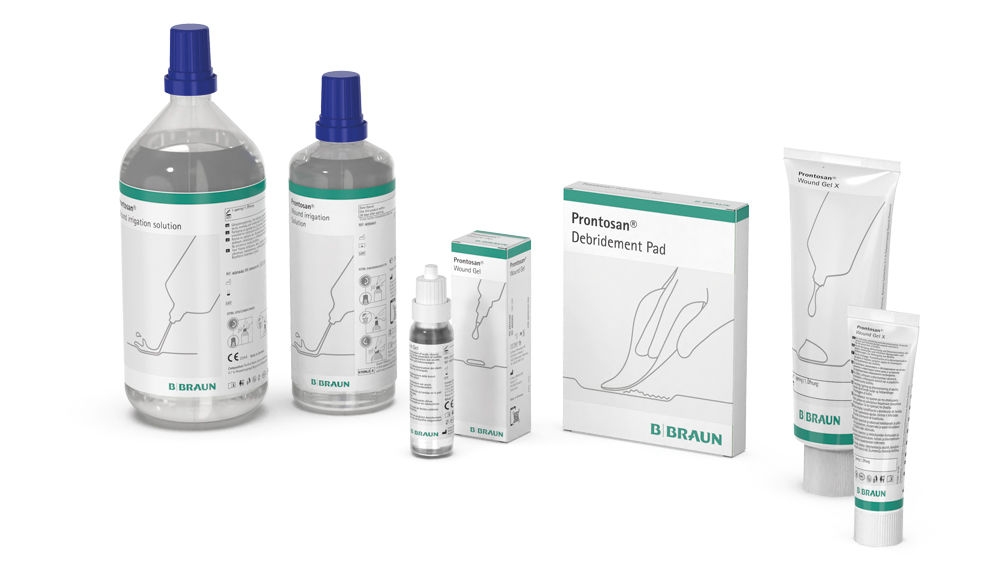
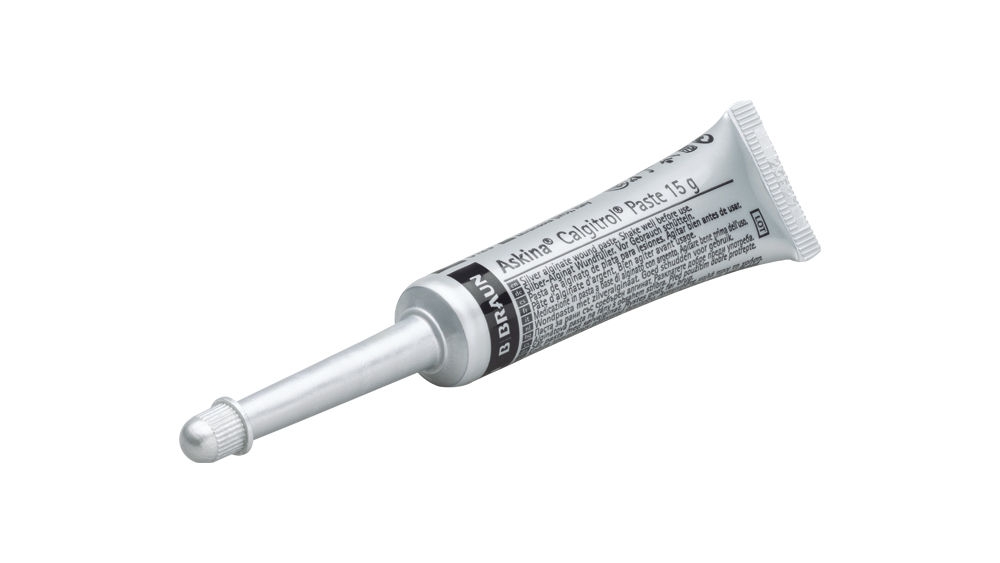
Käyttämällä Askina® Calgitrol® Pastaa voidaan osoittaa kliinisten infektion merkkien vähenemistä hoidon ensimmäisen viikon aikana.20 Samalla se tarjoaa laajan antimikrobisen tehon.21
Lue lisääVaihtoehto antibiooteille infektoituneiden haavojen hoidossa
Tehokas haavanhoito alkaa oikeista valinnoista oikeaan aikaan.
Varhainen antibioottien käyttö haavojen hoidossa voi tuoda lyhyen aikavälin etuja, mutta liiallinen käyttö nopeuttaa mikrobilääkkeille vastustuskyvyn kehittymistä – globaali terveyskriisi, joka tekee kroonisten haavojen hallinnasta yhä vaikeampaa.22 Ilman tehokasta puuttumista AMR voisi johtaa 8,2 miljoonaan kuolemaan maailmanlaajuisesti vuoteen 2050 mennessä23,24, taloudellisen vaikutuksen ollessa jopa 1 biljoona dollaria25.
B. Braun tukee aktiivisesti AMR:n torjuntaa. Tekemällä yhteistyötä EWMA:n kanssa ja sponsoroimalla EWMA Antimicrobial Stewardship Programme -ohjelmaa, jossa korostetaan antibioottien järkevää ja asianmukaista käyttöä haavanhoidossa, olemme sitoutuneet edistämään parhaita käytäntöjä, jotka säilyttävät hoidon tehokkuuden ja suojaavat potilaita. Yhdessä voimme vaikuttaa merkittävästi haavanhoitoon edistyneillä ratkaisuillamme, jotka on suunniteltu edistämään varhaista interventiota ja vastuullisia antimikrobisia käytäntöjä.

Kaikki avoimet haavat kontaminoituvat ja niissä on mikro-organismeja, mutta kaikki kontaminoituneet haavat eivät tulehdu. Isännän ja kolonisoivan mikro-organismin välinen symbioottinen suhde muuttuu patogeeniseksi, kun haavassa olevien organismien virulenssi heikentää isännän immuunijärjestelmää ja haava infektoituu. Biofilmit hidastavat haavojen paranemista ja lisäävät haavainfektion riskiä.26
Haavan infektioriskiin vaikuttavat yksilön (isännän), haavan ja ympäristön ominaisuudet. Haavainfektion kehittymiseen vaikuttavat isäntätekijät ovat systeemisiä, monisyisiä ja sisältävät monia muuttujia. Haavan tyyppi (eli etiologia) vaikuttaa myös infektioriskiin.26
Paikallista infektiota käytetään viittaamaan infektiovaiheeseen, jolloin haavassa on mikro-organismeja, jotka aiheuttavat isännältä puolustusvasteen ja viivästyttävät haavan paranemista. Paikallinen infektio on haavassa ja haavaa ympäröivällä alueella (alle 2 cm). Paikallinen infektio esiintyy usein piilossa olevina (hienovaraisina) merkkeinä ja oireina, joita ei välttämättä tunnisteta välittömästi infektion merkiksi.
Piileviä (hienovaraisia) haavainfektion merkkejä ja oireita ovat: Hypergranulaatio, verenvuoto, hauras granulaatio, epiteeli- ja granulaatiokudoksen muodostumisen häiriöt, haavaeritteen lisääntyminen ja haavan viivästynyt paraneminen. Kun paikallinen haavainfektio etenee, klassiset (ilmeiset) merkit ja oireet, jotka perinteisesti liittyvät paikallisiin infektioihin, tulevat yleensä ilmi: eryteema, paikallinen lämpö, turvotus, märkivä erite, haavan paheneminen ja laajeneminen, kipu ja lisääntyvä hajuhaitta.26
Jopa 90 % kroonisista haavoista on biofilmiä, joka vaikuttaa haavan infektioon. On kehittynyt ymmärrys ja hyväksyntä biofilmien, viivästyneen haavan paranemisen, haavan infektioriskin ja antibioottiresistenssin lisääntymisen välisestä yhteydestä.26
Haavan infektioiden ehkäisyssä keskitytään toteuttamaan menetelmiä potilaan yksilöllisten riskitekijöiden vähentämiseksi. Kliinisten tavoitteiden asettaminen, yhteistyö potilaan ja hänen perheensä kanssa sekä kokonaisvaltainen arviointi ja hallinta haavainfektioriskin vähentämiseksi. Yksilöllisen lähestymistavan lisäksi kliinisten ja ympäristön vaaratekijöiden käsittely paikallisilla antimikrobeilla saattaa olla rooli korkean riskin potilaiden haavainfektioiden ehkäisyssä.26
Haavan puhdistus on olennainen osa haavapohjan valmistelua (WBP). Haavan puhdistuksella tarkoitetaan pinnallisten epäpuhtauksien, irtonaisen lian, kuolleen kudoksen, mikro-organismien ja/tai sidosjäämien aktiivista poistamista haavan pinnalta ja sitä ympäröivältä iholta. Terapeuttisella puhdistuksella surfaktantilla tai antimikrobisilla puhdistusaineilla voi olla lisähyötyä sitkeän kuolleen kudoksen tai epäillyn biofilmin poistamisessa kroonisista haavoista.26
Tiedustelusi välitetään asiasta vastaavalle yhteyshenkilölle, joka ottaa sinuun yhteyttä mahdollisimman pian.

